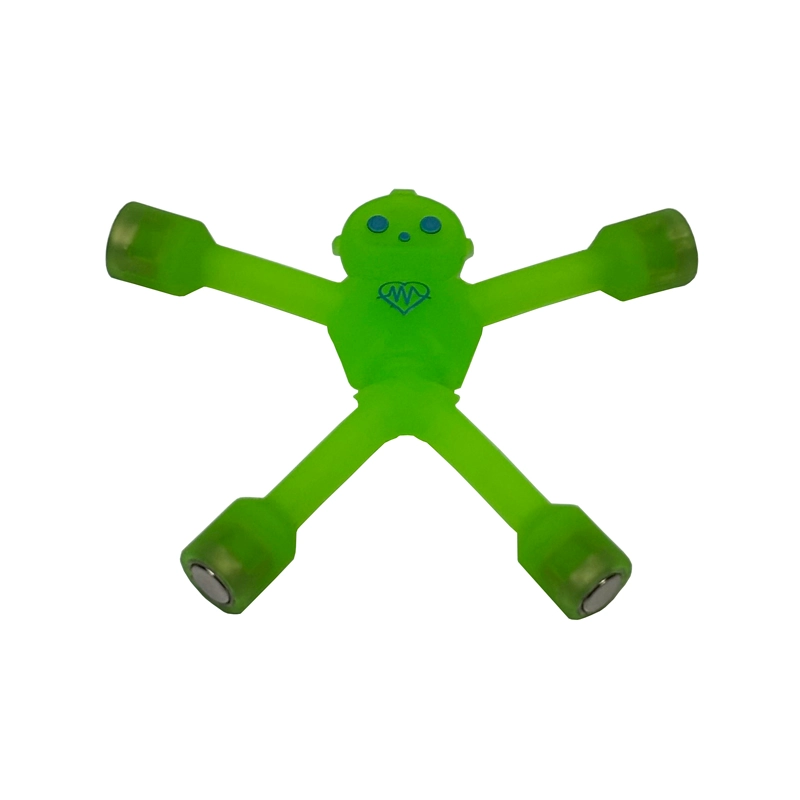
Is silicone made for toys?
Yes, silicone is widely and safely used to manufacture toys—especially for babies, children, and specialized applications. Its non-toxic, durable, and versatile properties make it ideal for toy production, with specialized formulations (e.g., platinum-cured silicone) engineered specifically for this purpose.
1. Safety & Compliance
Food-grade and medical-grade silicone are inert, free of BPA, phthalates, and latex, and hypoallergenic.
Meets strict global safety standards for toys:
FDA 21 CFR 177.6600 (US)
EN 71 (EU)
ISO 10993 (Biocompatibility)
CPSIA (US Toy Safety Standard)
Platinum-cured silicone is preferred for high-safety toys due to its higher purity, no shrinkage, and superior biocompatibility.
2. Common Toy Types Made with Silicone
Baby teethers and teething toys
Soft dolls (skin-like texture)
Sensory toys (tactile play)
Silly Putty and stretchy toys
Loom bands and craft toys
Adult novelty toys
Toy molds (for chocolate/candy characters)
3. Advantages of Silicone for Toys
Flexible and tear-resistant
Temperature-stable (-40°C to 230°C)
Easy to clean (dishwasher-safe, waterproof)
Long-lasting and durable
Hypoallergenic (safe for sensitive skin/mouths)
Can mimic natural textures (e.g., doll skin)
Safe for chewing (critical for baby toys)
4. Important Caveats
Key Tips for Safe Purchase:
Look for labels indicating "food-grade," "medical-grade," or "platinum-cured."
Verify compliance with regional regulations (e.g., CPSIA for US, EN 71 for EU).
Avoid low-quality silicone with unknown fillers or untested additives.