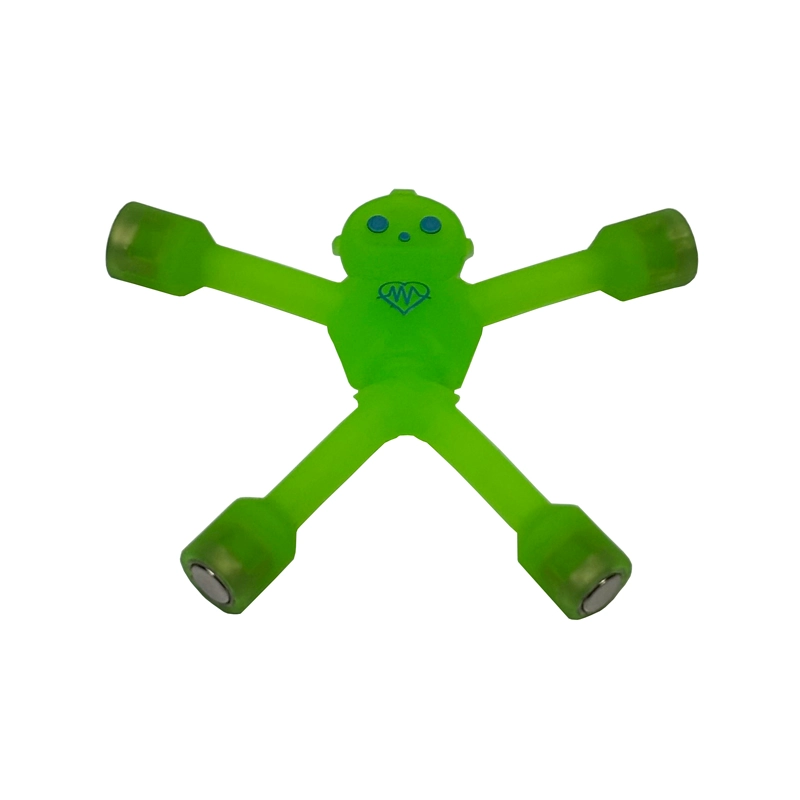
What Affects the Price of Custom Silicone Keychains?
Custom silicone keychains are a favorite promotional product and collectible in the global gift market. For gift companies, e-commerce stores, and trading businesses in the US and Europe, understanding the factors that influence their price is crucial. This guide will break down everything that affects OEM silicone keychain pricing, helping you make smart purchasing decisions.
1. Material Quality: Choose Wisely for US & EU Standards
The type of silicone used is a major factor in pricing. High-quality silicone, such as food-grade or eco-friendly options, costs more but ensures durability, flexibility, and safety. For the US and European markets, compliance with safety standards like BPA-free, non-toxic, or RoHS regulations is essential.
Cheaper silicone might save money upfront but can result in fading, tearing, or poor customer satisfaction. For long-term business success, investing in quality materials is non-negotiable.
2. Design Complexity: The More Detailed, the Higher the Cost
Simple shapes like circles or rectangles with a single color are easy to produce and cheaper. However, multi-color designs, 3D shapes, or custom logos increase mold complexity and production time.
For B2B buyers targeting Western markets, offering intricate, branded designs can justify a higher price point and improve perceived value among end customers.
3. Order Quantity: Benefit from Economies of Scale
Bulk orders significantly reduce the per-unit cost. For instance, ordering 3,000 units is often much cheaper per piece than ordering 300 units.
However, extremely large batches might require longer production timelines or additional quality checks, especially for shipments to the US and Europe. Balancing quantity with budget and delivery time is critical.
4. Mold and Tooling Costs: One-Time Investment
Custom molds are a one-time setup cost but vary widely. Simple molds might cost $50–$100, while complex 3D molds can cost several hundred dollars.
Suppliers usually amortize mold costs over production, so larger batches reduce per-unit mold expenses. Always clarify with your manufacturer whether mold fees are included in the quoted price.
5. Color and Printing Techniques: More Colors, More Cost
Single-color keychains are the most cost-effective. Using multiple colors, gradients, or precise Pantone matches increases cost.
Printing methods also matter. Embossed or debossed designs are generally cheaper than full-color silk-screen or UV printing. For B2B sellers in the US and EU, selecting the right printing method can balance quality and cost.
6. Packaging Options: Enhance Perceived Value
Standard packaging, such as polybags, is inexpensive, but branded boxes, eco-friendly packaging, or gift-ready packaging increase costs.
For Western buyers, attractive packaging can make products stand out and justify a slightly higher price, enhancing customer satisfaction.
7. Shipping and Import Costs: Factor in Logistics
Shipping and import duties affect total cost. Sea freight is cheaper but slower, while air freight is faster but more expensive. Some suppliers include shipping in quotes, while others do not.
For US and European markets, understanding logistics ensures accurate budgeting for OEM silicone keychains.
8. Supplier Reputation and Location: Reliability Matters
Experienced manufacturers with strong quality control may charge more but minimize the risk of defects or delays. Chinese factories often offer competitive pricing, while local suppliers in the US or Europe may cost more but provide faster turnaround and lower shipping risk.
Selecting the right supplier is as important as the materials or design. Reliability directly impacts B2B customer satisfaction.
Conclusion
The price of custom silicone keychains depends on multiple factors: material quality, design complexity, order quantity, mold costs, colors, packaging, shipping, and supplier reputation. Buyers who understand these factors can make informed decisions, negotiate better, and ensure high-quality products for the US and European markets.
For gift companies, e-commerce sellers, and trading businesses, prioritizing quality, clear specifications, and trusted suppliers ensures long-term customer satisfaction and competitive advantage.