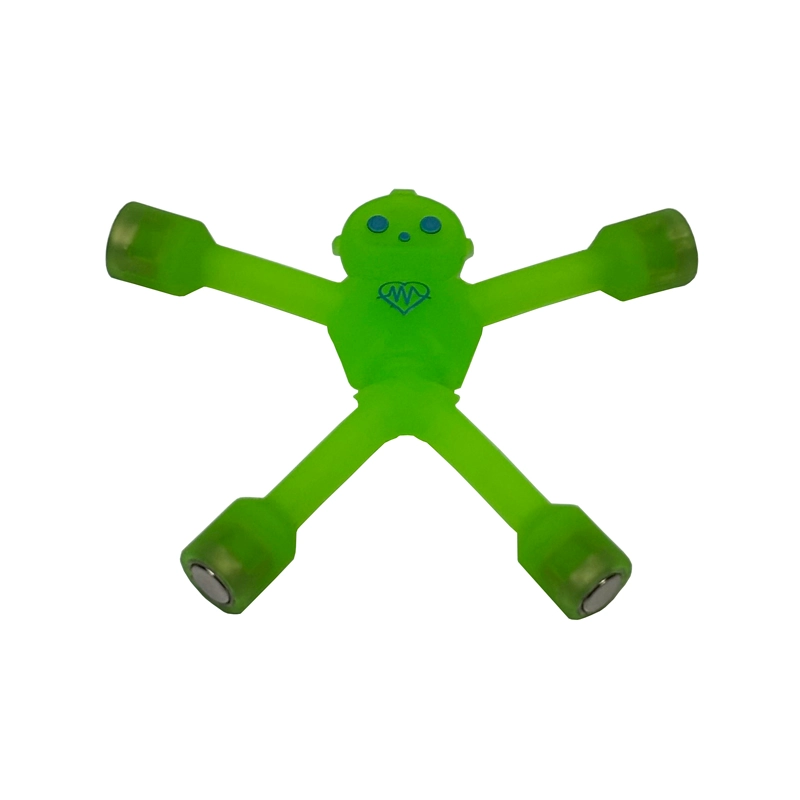
Custom Silicone Toys Manufacturer Guide: OEM & Private Label Solutions (2026)
Custom silicone toys are becoming one of the fastest-growing promotional and retail product categories worldwide. From brand mascots and collectible figures to educational toys and promotional giveaways, silicone toys provide flexibility, safety, and excellent branding opportunities.
If you're a gift company, trading company, or eCommerce brand, finding the right custom silicone toys manufacturer is essential for product quality, pricing, and long-term cooperation.
In this guide, ZXLSILICONE explains everything you need to know before choosing a custom silicone toy OEM manufacturer.
Why Custom Silicone Toys Are Popular in Global Markets
Compared with plastic or PVC toys, silicone toys offer several advantages:
Benefits of Custom Silicone Toys
Non-toxic and eco-friendly materials
Soft and flexible texture
Long-lasting durability
Waterproof and heat-resistant
Custom shape and color flexibility
Safe for kids and promotional use
These advantages make silicone toys ideal for:
Promotional campaigns
Brand merchandise
Retail toy brands
Corporate giveaways
Educational toys
Silicone toy keychains
Because silicone toys are durable and reusable, they provide longer brand exposure than traditional promotional gifts.
Types of Custom Silicone Toys We Manufacture
ZXLSILICONE provides OEM customization for a wide range of silicone toys.
1. Custom Silicone Figurines
Custom silicone figurines are widely used for:
Brand mascots
Cartoon characters
Anime collectibles
Promotional toys
Popular industries include:
Gaming brands
Marketing agencies
Toy distributors
Gift companies
Customization options:
2D / 3D silicone figurines
Multi-color molding
Custom logo embossing
Soft or solid silicone
2. Custom Silicone Stress Toys
Silicone stress toys are among the most popular promotional silicone products.
Popular designs:
Silicone squeeze toys
Silicone pop-it toys
Silicone fidget toys
Sensory toys
Applications:
Trade shows
Corporate promotions
Brand giveaways
Retail toy sales
Because silicone is soft and durable, it is ideal for long-term repeated use.
3. Custom Silicone Educational Toys
Educational silicone toys are growing rapidly in:
USA
Europe
Australia
Popular categories:
Baby silicone toys
Montessori toys
Sensory toys
Learning toys
Advantages:
BPA-free materials
Food-grade silicone options
Easy cleaning
Safe for toddlers
Many toy brands now prefer food-grade silicone toys for safety compliance.
4. Silicone Toy Keychains
Silicone toy keychains are widely used for:
Promotional giveaways
Brand merchandise
Retail toy accessories
Souvenir products
These products are low cost and high volume, making them ideal for bulk orders.
Custom Silicone Toys OEM Customization Options
When working with ZXLSILICONE, you can customize:
Design Customization
2D / 3D silicone toys
Custom shapes
Logo embossing / debossing
Multi-layer designs
Color Customization
Pantone color matching
Multi-color silicone molding
Gradient colors
Material Options
Food-grade silicone
Eco-friendly silicone
BPA-free silicone
FDA / LFGB compliant silicone
Surface Finishing
Matte finish
Glossy finish
Textured surface
These customization options help create unique branded silicone toys.
Custom Silicone Toys Manufacturing Process
Working with ZXLSILICONE is simple:
Step 1: Design Submission
Logo or drawing
Size confirmation
Material selection
Step 2: Mold Development
Custom tooling
Mold production
Step 3: Sample Production
Prototype development
Color testing
Step 4: Mass Production
Silicone molding
Trimming and finishing
Quality inspection
Step 5: Packaging & Shipping
Custom packaging
Export packaging
Global shipping
Production timeline:
Sample: 5–10 days
Mass production: 15–25 days
MOQ for Custom Silicone Toys
Typical MOQ for OEM silicone toys:
| Product Type | MOQ |
|---|---|
| Silicone figurines | 3,000 pcs |
| Silicone stress toys | 3,000 pcs |
| Silicone keychains | 2,000–3,000 pcs |
| Complex 3D toys | 5,000 pcs |
ZXLSILICONE supports flexible MOQ for long-term cooperation.
How to Choose a Custom Silicone Toy Manufacturer
1. Manufacturing Experience
Choose a supplier with:
OEM experience
Export experience
B2B cooperation experience
2. Material Certification
Important certifications:
FDA
LFGB
BPA-Free
Eco-friendly
These certifications are important for EU and US markets.
3. Customization Capability
Strong manufacturers offer:
3D design support
Custom mold development
Multi-color molding
4. Quality Control
Professional manufacturers provide:
Pre-production samples
Production QC
Final inspection
Why Choose ZXLSILICONE
ZXLSILICONE is a professional Custom Silicone Toys Manufacturer for global B2B clients.
Our Advantages:
OEM & ODM customization
Competitive factory price
High-quality silicone material
Fast sampling
Flexible MOQ
Export experience
We work with:
Gift companies
Trading companies
eCommerce brands
Promotional companies
Toy distributors
Applications of Custom Silicone Toys
Custom silicone toys are widely used for:
Promotional campaigns
Retail toy brands
Brand merchandise
Corporate gifts
Event giveaways
Educational toys
Silicone toys offer long-term branding value.
FAQ – Custom Silicone Toys Manufacturer
What is the best material for silicone toys?
Food-grade silicone is the best option for safety and durability, especially for baby toys and promotional products.
What is the MOQ for custom silicone toys?
Typically 3,000–5,000 pieces depending on design complexity.
Can I customize logo and color?
Yes, ZXLSILICONE supports:
Custom logo
Custom colors
Custom packaging
How long does production take?
Sample: 5–10 days
Mass production: 15–25 days
Do you support OEM & private label?
Yes, we specialize in OEM & private label silicone toys.