Why Choose Silicone Promotional Gifts: A Smart Marketing Strategy for Modern Brands
In today's competitive market, businesses are constantly searching for creative and effective ways to promote their brand. Promotional gifts remain one of the most powerful marketing tools, helping companies increase brand awareness, build customer loyalty, and generate long-term exposure. Among the many options available, silicone promotional gifts have become increasingly popular across industries.
From tech companies and e-commerce brands to corporate businesses and event organizers, more companies are turning to silicone products as their go-to promotional solution. But why are silicone promotional gifts gaining so much attention?
In this guide, we’ll explore why choose silicone promotional gifts, their advantages, and how they can help your brand stand out in today's crowded marketplace.
What Are Silicone Promotional Gifts?
Silicone promotional gifts are custom-made branded products made from silicone material. These products can include:
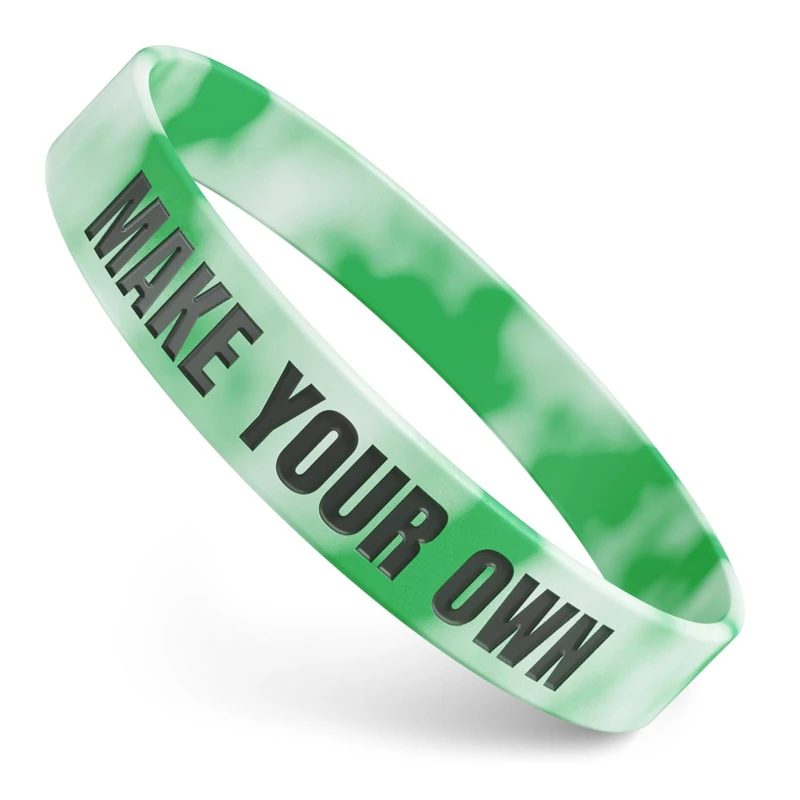
Silicone wristbands
Silicone keychains
Silicone phone holders
Silicone coasters
Silicone kitchen tools
Silicone magnets
Silicone toy figures
Silicone luggage tags
Silicone drink covers
Silicone cable organizers
These items are customized with logos, brand colors, or unique designs to promote a company, product, or event.
Because silicone is flexible, durable, and easy to customize, it has become one of the most versatile materials for promotional gifts.
1. Durable and Long-Lasting Branding
One of the biggest advantages of silicone promotional gifts is durability. Unlike paper or plastic giveaways that easily break or wear out, silicone products are:
Heat resistant
Waterproof
Flexible
Tear resistant
Long-lasting
This durability means your brand stays visible for a longer time. A silicone keychain or phone holder can be used for months or even years, giving your brand continuous exposure.
Compared to disposable promotional items, silicone gifts offer higher marketing ROI and better brand recall.
2. Highly Customizable for Brand Identity
Silicone is one of the most flexible materials for customization. Brands can create unique promotional products that match their identity perfectly.
Customization options include:
Custom shapes
Custom colors (Pantone matching)
Logo embossing or debossing
Printing or laser engraving
Multi-color designs
3D silicone molds
This makes silicone promotional gifts ideal for:
Brand campaigns
Product launches
Trade shows
Corporate giveaways
Marketing events
At ZXLSILICONE, we specialize in OEM silicone promotional gifts, allowing companies to create fully customized products that reflect their brand personality.
3. Eco-Friendly and Reusable
Sustainability is becoming a major concern for businesses and consumers. Many companies are moving away from disposable plastic giveaways and switching to eco-friendly promotional products.
Silicone is:
Reusable
Non-toxic
BPA-free
Long-lasting
Environmentally friendly
Because silicone gifts are reusable, they help reduce waste and align with modern sustainability goals.
This makes silicone promotional gifts especially appealing for:
Eco-conscious brands
Corporate ESG initiatives
Green marketing campaigns
Sustainable product launches
Offering eco-friendly promotional gifts also improves brand perception and customer trust.
4. Wide Range of Industry Applications
Silicone promotional gifts are suitable for almost every industry, including:
Corporate & Business Promotions
Companies can use silicone desk accessories, phone holders, and keychains as branded giveaways.
Tech & Electronics Brands
Silicone cable organizers, phone stands, and protective covers are popular among tech companies.
E-Commerce & Retail Brands
Custom silicone gifts can be included in packaging to enhance customer experience.
Events & Trade Shows
Silicone wristbands and keychains are perfect for event branding and giveaways.
Kids & Toy Brands
Silicone toy figures and novelty items are excellent promotional tools for children-related brands.
Because silicone products are so versatile, they can be adapted to any promotional campaign.
5. Cost-Effective for Bulk Orders
Promotional gifts are often ordered in large quantities, especially for:
Trade shows
Product launches
Marketing campaigns
Retail promotions
Silicone promotional gifts are cost-effective for bulk production. Once the mold is created, manufacturers can produce large quantities efficiently.
For B2B buyers, this offers:
Competitive pricing
Consistent quality
Fast production time
Flexible MOQ options
ZXLSILICONE supports OEM silicone promotional gift manufacturing, helping global brands create affordable, high-quality promotional products.
6. Safe and Non-Toxic Material
Safety is another important factor, especially for brands targeting families, children, or food-related industries.
High-quality silicone is:
Food-grade safe
Non-toxic
BPA-free
Odorless
Skin-friendly
This makes silicone promotional gifts suitable for:
Kids promotional toys
Kitchen accessories
Drink accessories
Lifestyle products
Safe promotional products help enhance brand reputation and customer confidence.
7. Lightweight and Easy to Ship
Another advantage of silicone promotional gifts is lightweight design. This is particularly beneficial for:
International shipping
Event distribution
Retail packaging
Silicone products are easy to transport, reducing logistics costs and making them ideal for global marketing campaigns.
For international buyers and distributors, this is a significant advantage.
8. High Brand Visibility
The main goal of promotional gifts is to increase brand exposure. Silicone products are often used daily, meaning your brand is seen frequently.
Examples:
Silicone keychains used daily
Silicone phone stands on office desks
Silicone kitchen tools used at home
Silicone luggage tags used while traveling
Frequent use equals long-term brand visibility and stronger brand recognition.
Why Choose ZXLSILICONE for Silicone Promotional Gifts
ZXLSILICONE is a professional custom silicone promotional gift manufacturer providing OEM and ODM services for global clients.
Our advantages include:
Custom silicone gift design
OEM & ODM service
Low MOQ for B2B clients
Fast sample development
Competitive factory pricing
Strict quality control
Global shipping support
We work with:
Gift companies
Trading companies
E-commerce brands
Promotional product distributors
Marketing agencies
Whether you're launching a campaign or building brand awareness, ZXLSILICONE can help you create unique silicone promotional gifts.
Conclusion
Silicone promotional gifts are becoming one of the most effective branding tools for modern businesses. Their durability, customization flexibility, eco-friendly nature, and cost-effectiveness make them ideal for a wide range of promotional campaigns.
Whether you're planning a corporate giveaway, launching a new product, or attending a trade show, silicone promotional gifts can help your brand stand out and leave a lasting impression.
If you're looking for a reliable silicone promotional gift manufacturer, ZXLSILICONE offers professional OEM customization and global B2B solutions.
Start creating your custom silicone promotional gifts today and elevate your brand marketing strategy.