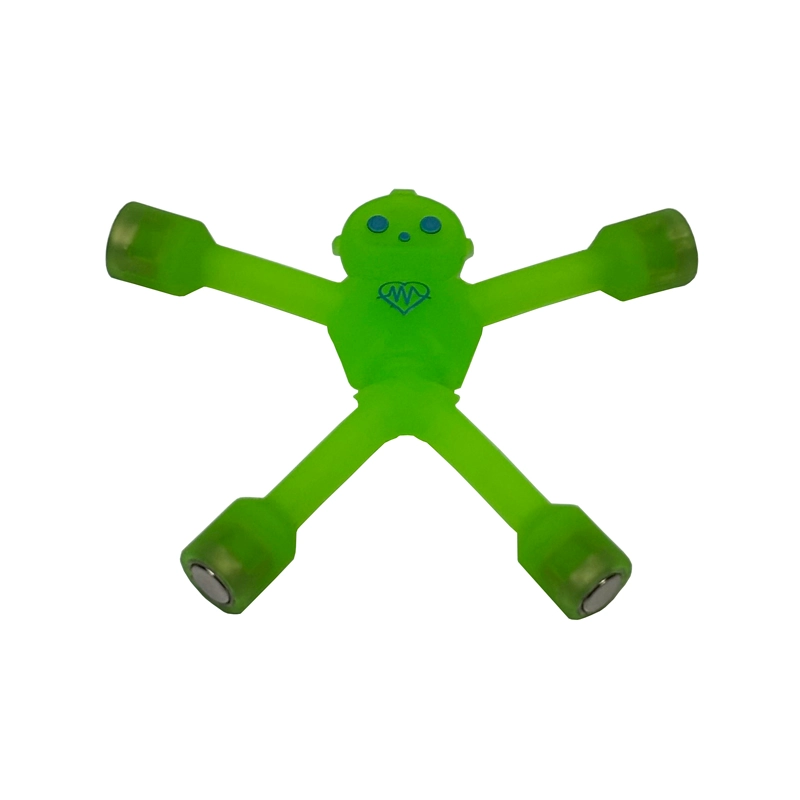
Custom Silicone Toys Manufacturing Process
Silicone toys have become increasingly popular in the global gift and e-commerce market due to their durability, safety, and flexibility. For companies looking to offer high-quality, custom silicone toys, understanding the manufacturing process is essential. From design conception to finished products, each step in the process ensures that the toys meet both aesthetic and safety standards. In this guide, we’ll walk you through the entire custom silicone toys manufacturing process.
1. Product Design and Concept
The manufacturing process begins with a clear product design. Companies often collaborate with designers to create unique shapes, colors, and functions that appeal to their target audience. For silicone toys, it’s crucial to consider factors like flexibility, durability, and safety regulations. Digital sketches and 3D modeling software are commonly used to visualize the final product.
A well-thought-out design not only ensures functionality but also improves the marketability of the toy. At this stage, companies also decide on whether the toy will have additional features, such as magnets, sound effects, or educational elements.
2. Prototype Development
Once the design is finalized, a prototype is created. Prototyping is a critical step in OEM silicone toy manufacturing, as it allows manufacturers and clients to evaluate the product's size, texture, and overall appearance.
Prototypes are often made using 3D printing technology or small-scale molding. This step helps identify any potential issues before mass production, such as weak points in the design or difficulties in molding intricate details.
3. Mold Making
After the prototype is approved, manufacturers create molds for mass production. Silicone toys are typically produced using injection molding or compression molding techniques. The mold material must be durable enough to withstand repeated use and precise enough to capture fine details.
The quality of the mold directly affects the final product. For OEM clients, molds can be customized to include logos, patterns, or unique textures, giving the toy a distinctive appearance.
4. Silicone Material Preparation
Silicone material is then prepared according to the specific requirements of the toy. This may involve selecting food-grade or non-toxic silicone, adding colorants, and mixing in other additives for flexibility or durability.
Material preparation is key to ensuring that the toy is safe for children and compliant with international safety standards such as EN71, CPSIA, and RoHS. High-quality silicone also ensures that toys maintain their shape and color over time.
5. Injection or Compression Molding
The prepared silicone is then poured or injected into the molds. Injection molding is commonly used for high-volume production, allowing for consistent quality and fast turnaround. Compression molding, on the other hand, is preferred for more complex or multi-layered designs.
After molding, the toys are cured at controlled temperatures to achieve optimal flexibility and durability. This curing process is essential to prevent deformation and ensure the toy’s longevity.
6. Demolding and Quality Inspection
Once the toys are fully cured, they are carefully removed from the molds. This stage requires precision to avoid damaging delicate features. Every piece undergoes a thorough quality inspection, checking for defects such as air bubbles, tears, or incomplete molding.
OEM manufacturers typically provide detailed inspection reports to clients, ensuring that each batch meets strict quality standards.
7. Coloring, Printing, and Finishing
After initial inspection, toys may undergo additional processes such as coloring, printing, or adding surface textures. For example, screen printing or pad printing is often used to apply logos or decorative patterns.
Finishing touches can also include smoothing edges, polishing surfaces, or assembling multiple silicone parts. These steps enhance the toy’s aesthetic appeal and ensure a safe, comfortable experience for users.
8. Packaging and Delivery
Finally, the finished toys are packaged according to client specifications. Packaging options may range from simple polybags to custom-designed gift boxes. Proper packaging not only protects the toys during shipping but also adds value for retail and promotional purposes.
Once packaged, toys are ready for global distribution. Manufacturers often handle logistics to ensure that the products reach international markets efficiently and safely.
Conclusion
Understanding the custom silicone toys manufacturing process is vital for any company aiming to enter the global gift and e-commerce market. From initial design to packaging, each step plays a crucial role in producing safe, durable, and visually appealing silicone toys. By partnering with experienced OEM manufacturers, companies can deliver high-quality products that satisfy customers worldwide.
This meticulous process ensures that every silicone toy meets international safety standards and reflects the client’s brand identity, making it a reliable choice for global markets.