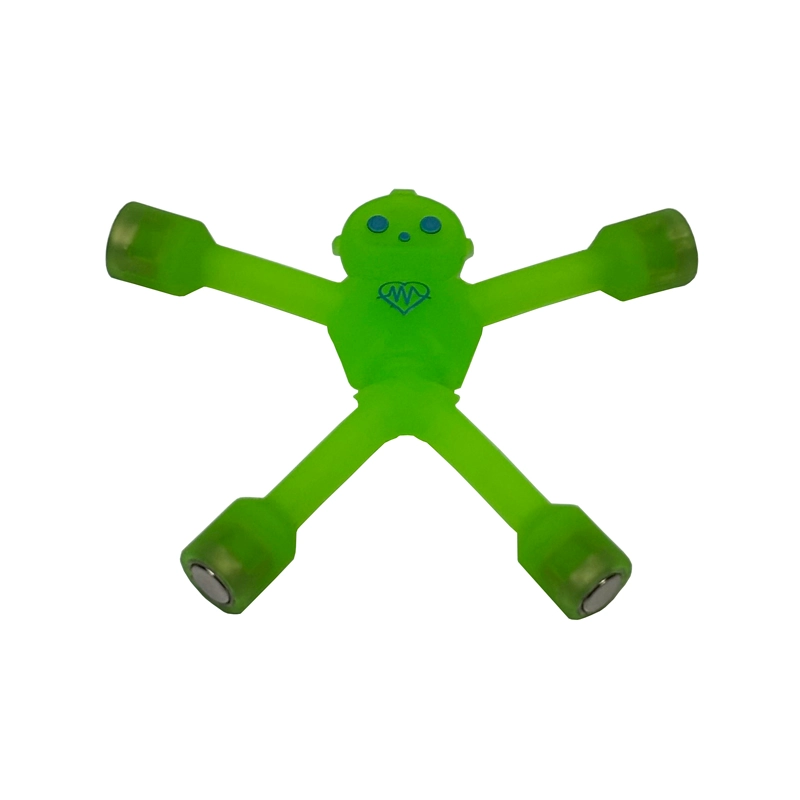
Why Are Silicone Toys So Expensive? Cost Factors & OEM Manufacturing Guide
Silicone toys have become increasingly popular in recent years, especially in the baby products, promotional gift, and educational toy markets. Many brands, importers, and distributors are turning to silicone toys because they are safe, durable, and visually appealing. However, one common question buyers often ask is: Why are silicone toys so expensive compared to plastic or rubber toys?
If you're sourcing custom silicone toys for your brand, understanding the cost factors can help you make smarter purchasing decisions and better position your products in the market. In this article, we’ll break down the main reasons why silicone toys cost more — and why they’re often worth the investment.
1. High-Quality Raw Materials Cost More
One of the biggest reasons silicone toys are expensive is the raw material cost.
Food-grade silicone and medical-grade silicone are significantly more expensive than common plastics like PVC, ABS, or TPE. High-quality silicone materials are:
BPA-free
Non-toxic
Odorless
Heat-resistant
Durable and flexible
Safe for babies and children
For example:
Standard plastic material cost: Low
Food-grade silicone cost: 3–5x higher
Medical-grade silicone cost: Even higher
For baby toys, teething toys, and educational silicone toys, manufacturers usually use LFGB or FDA-approved silicone, which increases costs further.
However, this higher cost also means:
Better safety
Longer lifespan
Premium product positioning
Higher customer trust
For brands targeting Europe and North America, using certified silicone is often necessary to meet market regulations.
2. Silicone Manufacturing Process Is More Complex
Another key factor is the manufacturing process. Silicone toys are not produced the same way as plastic toys.
Plastic toys are usually made using injection molding, which is fast and cheap. Silicone toys, however, often require:
Compression molding
Liquid silicone injection molding (LSR)
Manual trimming
Secondary processing
These processes take:
More time
More labor
More technical expertise
Additionally, silicone molding requires high-temperature vulcanization, which increases energy consumption and production costs.
For example:
Plastic toy production time:
Fast
Automated
Silicone toy production time:
Slower
Semi-manual
Higher skill requirement
This is why silicone toys usually have higher manufacturing costs.
3. Custom Silicone Mold Costs Are Expensive
If you're creating custom silicone toys, mold cost is another important factor.
Silicone molds must be:
High precision
Heat resistant
Durable for repeated production
A custom silicone toy mold may cost anywhere from:
$500 — $2,000 (simple design)
$2,000 — $5,000 (complex toys)
Even higher for multi-cavity molds
Additionally, silicone molds often require:
3D modeling
Prototype samples
Mold testing
Adjustment and optimization
This development process adds to the overall cost — especially for OEM and ODM projects.
However, once the mold is completed, the unit cost drops significantly for large-volume production.
This is why silicone toys are more cost-effective for bulk orders, which is ideal for:
Promotional gift companies
Retail brands
E-commerce sellers
Toy distributors
4. Safety Certifications Increase Production Cost
Silicone toys often require international safety certifications, especially when selling in:
United States
Europe
Australia
Canada
Common certifications include:
FDA
LFGB
CPSIA
EN71
ASTM F963
Testing for these certifications involves:
Material testing
Chemical testing
Mechanical testing
Age safety testing
Certification testing fees can range from $300 to $2,000+, depending on product complexity.
Although certification increases cost, it also provides:
Market compliance
Higher credibility
Better brand image
Reduced liability risk
For premium brands, certification is not optional — it's essential.
5. Silicone Toys Are More Durable (Long-Term Value)
While silicone toys may seem expensive upfront, they actually provide better long-term value.
Silicone toys are:
Tear-resistant
Heat-resistant
Waterproof
Easy to clean
Dishwasher safe
Compared to plastic toys:
Plastic toys:
Crack easily
May become brittle
Limited lifespan
Silicone toys:
Last longer
Maintain shape
Resist wear and tear
This durability means customers are willing to pay more for silicone toys — especially for baby products.
For brands, this translates into:
Higher profit margins
Premium positioning
Stronger brand loyalty
6. Eco-Friendly and Sustainable Material
Sustainability is becoming a major trend in global markets. Silicone is considered more environmentally friendly compared to many plastics.
Silicone toys:
Reusable
Long-lasting
Low environmental impact
Free from harmful chemicals
Many retailers and distributors prefer silicone toys because they align with eco-friendly product trends.
Consumers today are willing to pay more for:
Safe materials
Sustainable products
Premium quality
This demand naturally increases silicone toy pricing.
7. Customization Options Add Value
Silicone toys are highly customizable, which also contributes to higher costs.
Customization options include:
Custom colors
Custom logos
Unique shapes
Multi-color molding
Packaging customization
Texture design
These customization features help brands create:
Exclusive products
Brand recognition
Competitive advantage
For example:
Promotional silicone toys
Custom silicone mascots
Silicone stress toys
Silicone educational toys
Customization increases production cost but also significantly increases product value.
Are Silicone Toys Worth the Price?
Yes — especially for brands looking for premium, safe, and durable products.
Silicone toys are ideal for:
Baby toy brands
Promotional gift companies
Educational toy brands
E-commerce sellers
Retail distributors
Although silicone toys cost more, they offer:
Better safety
Higher durability
Premium market positioning
Stronger customer trust
For B2B buyers, silicone toys often provide better long-term ROI.
Why Choose ZXLSILICONE for Custom Silicone Toys
At ZXLSILICONE, we specialize in OEM & ODM silicone toys and silicone gifts for global brands and distributors.
We offer:
Food-grade silicone materials
Custom mold development
Low MOQ for OEM projects
Multi-color silicone molding
Private label packaging
Fast sample development
Bulk production capability
Our silicone toys are widely used for:
Promotional campaigns
Baby products
Educational toys
Corporate gifts
Retail brands
If you're looking for a reliable silicone toy manufacturer, ZXLSILICONE can help you develop high-quality, custom silicone toys at competitive prices.
Conclusion
Silicone toys are more expensive because of:
Premium raw materials
Complex manufacturing processes
Custom mold development
Safety certifications
Durability and long-term value
Eco-friendly advantages
Customization flexibility
While the initial cost is higher, silicone toys offer better quality, safety, and brand value, making them a smart investment for businesses targeting premium markets.
If you're planning to launch custom silicone toys, working with an experienced manufacturer like ZXLSILICONE can help you control costs while maintaining high quality.