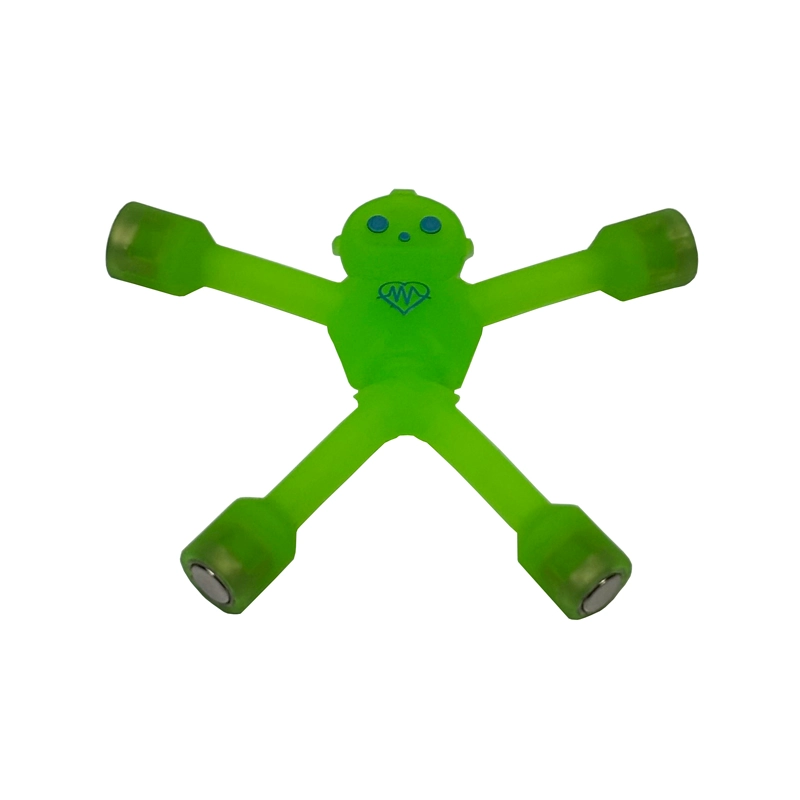
How to Choose Silicone Promotional Gifts: A Complete B2B Buyer’s Guide
Promotional gifts remain one of the most effective marketing tools for brands, trade companies, and e-commerce sellers. Among all materials available today, silicone promotional gifts are becoming increasingly popular due to their durability, safety, flexibility, and customization potential.
If you're sourcing from a custom silicone gifts manufacturer like ZXLSILICONE, choosing the right silicone promotional gift can help your brand stand out, increase customer engagement, and deliver long-term brand exposure.
In this guide, we’ll walk you through how to choose silicone promotional gifts that align with your brand, target market, and business goals.
Why Choose Silicone Promotional Gifts?
Before selecting a product, it's important to understand why silicone gifts are widely preferred in promotional campaigns.
1. Durable and Long-Lasting
Unlike plastic or paper promotional items, silicone products are:
Heat resistant
Waterproof
Flexible and tear-resistant
Long-lasting
This means your brand logo stays visible for months or even years, increasing marketing ROI.
2. Eco-Friendly and Safe
Many companies today prioritize sustainability. Silicone promotional gifts offer:
BPA-free materials
Non-toxic and food-grade options
Reusable and environmentally friendly
This makes silicone gifts especially attractive for European and US markets, where eco-friendly branding is highly valued.
3. Highly Customizable
Silicone products can be customized with:
Logo embossing
Debossing
Printing
Color matching (Pantone colors)
Custom shapes and sizes
This flexibility makes silicone ideal for OEM promotional gifts.
Step 1: Define Your Target Audience
The first step in choosing silicone promotional gifts is understanding who you’re targeting.
Different audiences prefer different types of promotional items.
For Corporate Clients
Best options include:
Silicone keychains
Silicone phone holders
Silicone cable organizers
Silicone card holders
These are practical office accessories with everyday use.
For Kids & Family Brands
Recommended silicone gifts:
Silicone toys
Silicone wristbands
Silicone magnets
Silicone cartoon figures
These products create emotional engagement and brand memorability.
For Sports & Outdoor Brands
Popular choices:
Silicone water bottle sleeves
Silicone wristbands
Silicone luggage tags
Silicone phone grips
These items align with active lifestyles.
Step 2: Choose Practical Promotional Gifts
Practicality is one of the most important factors in promotional gifts.
The more useful the product is, the more frequently users interact with your brand.
Most Popular Silicone Promotional Gifts
Here are some high-demand silicone promotional items:
1. Silicone Keychains
Why they work:
Low cost
Easy to distribute
High customization flexibility
Daily usage
Perfect for trade shows and brand giveaways.
2. Silicone Phone Accessories
Examples include:
Phone holders
Cable organizers
Phone wallets
Phone stands
These are highly practical and widely used.
3. Silicone Wristbands
A classic promotional product used by:
Events
NGOs
Sports brands
Schools
They’re affordable and highly visible.
4. Silicone Fridge Magnets
Ideal for:
Tourism companies
Gift shops
Brand souvenirs
They offer long-term visibility on refrigerators.
5. Silicone Cartoon Toys
Great for:
Brand mascots
Promotional campaigns
Children's products
Custom cartoon silicone toys help brands build emotional connections.
Step 3: Consider Customization Options
Customization is key for promotional effectiveness.
When working with a silicone manufacturer like ZXLSILICONE, consider:
Logo Options
Embossed logo
Debossed logo
Silk printing
UV printing
Embossed logos are more durable and premium-looking.
Color Options
Silicone supports:
Pantone color matching
Multi-color designs
Gradient effects
Bright colors improve brand visibility.
Custom Shapes
You can design:
Brand mascots
Product-shaped gifts
Creative marketing items
Unique shapes make your promotional gifts more memorable.
Step 4: Consider Budget and MOQ
For B2B buyers, pricing and MOQ (Minimum Order Quantity) are important.
Most silicone promotional gifts offer:
Low tooling cost
Affordable mass production
Flexible MOQ options
ZXLSILICONE supports:
OEM customization
Bulk production
Competitive factory pricing
This makes silicone gifts ideal for:
Trade companies
Promotional agencies
E-commerce brands
Step 5: Choose Eco-Friendly and Certified Materials
Many brands today require compliance and certifications.
Popular material options include:
Food-grade silicone
BPA-free silicone
LFGB silicone (Europe standard)
FDA silicone (US standard)
Using certified materials increases brand trust and compliance.
Step 6: Consider Branding Visibility
Promotional gifts should maximize brand exposure.
Choose products with:
Large logo area
High daily usage
Long product lifespan
For example:
Best Visibility Products:
Silicone phone holders
Silicone keychains
Silicone magnets
Silicone wristbands
These products deliver consistent brand exposure.
Step 7: Choose the Right Manufacturer
Choosing the right silicone manufacturer is critical for quality and delivery.
When selecting a supplier, consider:
Manufacturing Capabilities
Look for:
OEM & ODM experience
Mold development capability
Quality control systems
Fast sampling
ZXLSILICONE offers:
Custom silicone gifts
Silicone toys OEM
Promotional silicone products
Bulk manufacturing
Production Experience
An experienced manufacturer provides:
Better product design
Faster production
Stable quality
Competitive pricing
Step 8: Plan Promotional Campaign Usage
Before choosing your silicone promotional gift, consider how it will be used:
Trade Show Giveaways
Best choices:
Silicone keychains
Silicone wristbands
Silicone magnets
Low cost and easy distribution.
Corporate Branding
Best options:
Silicone phone accessories
Silicone desk accessories
Silicone cable organizers
Professional appearance.
Retail Promotional Gifts
Best options:
Silicone toys
Silicone cartoon figures
Silicone collectible items
Perfect for increasing customer loyalty.
Why Choose ZXLSILICONE for Silicone Promotional Gifts?
ZXLSILICONE provides:
Custom silicone gift OEM
Silicone toy manufacturing
Promotional silicone products
Flexible MOQ
Fast sample production
Competitive factory pricing
We serve:
Gift companies
Trading companies
E-commerce brands
Promotional agencies
With years of silicone manufacturing experience, ZXLSILICONE helps businesses create high-quality silicone promotional gifts that enhance brand visibility.
Final Thoughts
Choosing the right silicone promotional gifts requires:
Understanding your target audience
Selecting practical products
Customizing for branding
Choosing eco-friendly materials
Working with experienced manufacturers
Silicone promotional gifts offer long-term value, strong branding impact, and high customer engagement — making them an ideal choice for modern marketing campaigns.
If you're looking for custom silicone promotional gifts, ZXLSILICONE is ready to support your next promotional project.